Understanding Orbital Regimes
The region surrounding Earth is categorized into distinct orbital regimes, each with unique characteristics that make it suitable for different types of missions. The selection of an orbit is a critical engineering decision that impacts a satellite's coverage, communication latency, and operational lifespan. U.S. space systems leverage these different regimes to create a multi-layered infrastructure capable of diverse functions.

Low Earth Orbit (LEO)
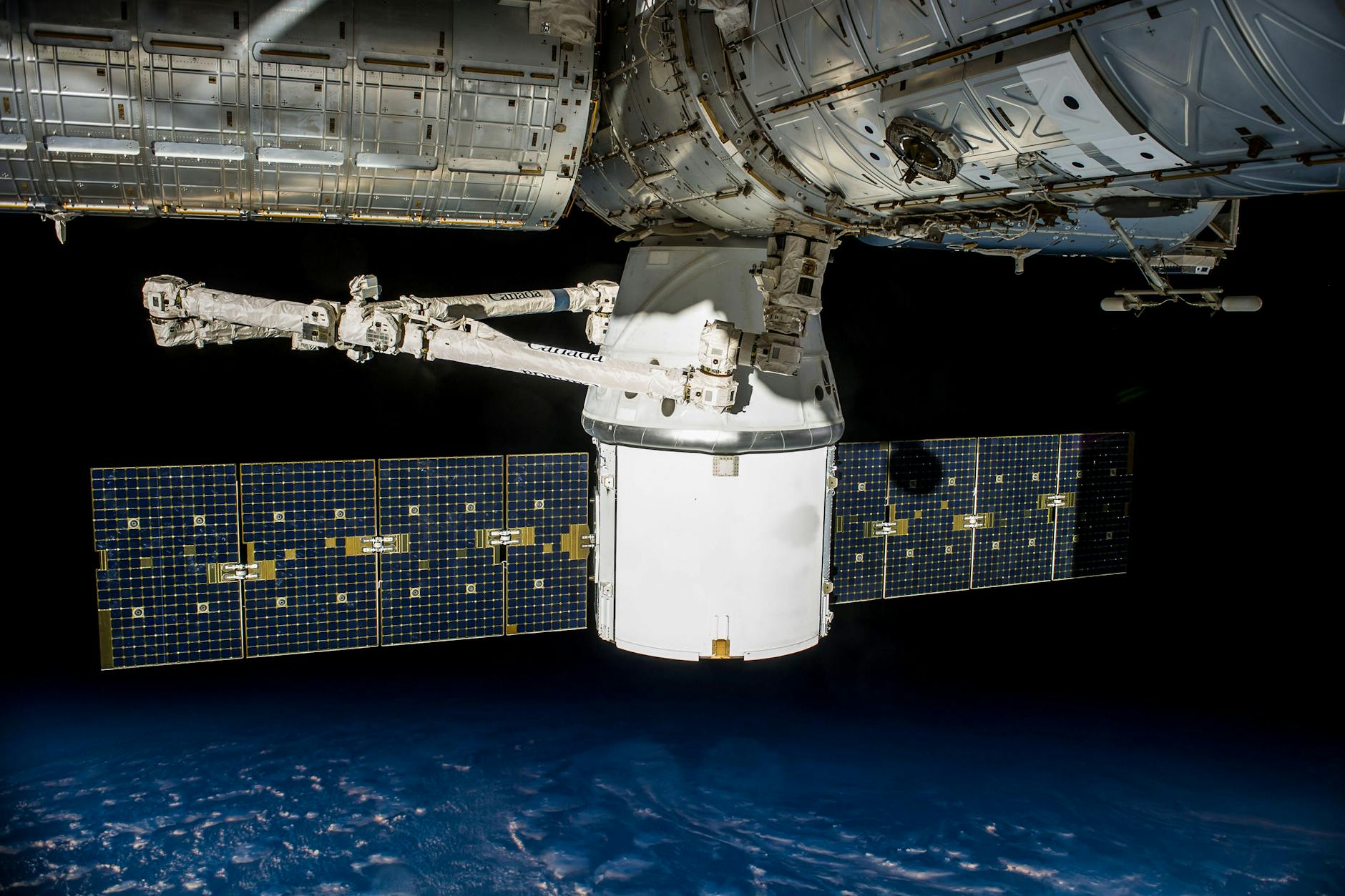
LEO extends from about 160 to 2,000 kilometers in altitude. Satellites in LEO travel at very high speeds, completing an orbit in approximately 90 minutes. This proximity to Earth is ideal for high-resolution imaging and low-latency communication. Many large satellite constellations, including those for broadband internet, operate in LEO to provide global coverage through a large number of interconnected spacecraft.
Medium Earth Orbit (MEO)
Located between LEO and GEO, MEO ranges from 2,000 to 35,786 kilometers. This orbit represents a balance between coverage area and signal latency. Its most prominent use is for navigation systems, such as the Global Positioning System (GPS) operated by the United States. A constellation of satellites in MEO can provide continuous global coverage with fewer spacecraft than a LEO system.

Geostationary Orbit (GEO)
At an altitude of exactly 35,786 kilometers over the Equator, a satellite in GEO has an orbital period that matches Earth's rotation. This makes it appear stationary from the ground, which is ideal for communications relays and weather forecasting. A single GEO satellite can cover a large portion of the Earth's surface, making them a cornerstone of broadcast and data relay infrastructure.