
U.S. Satellites and Space-based Platforms

A detailed look at the diverse range of spacecraft operated by the U.S. and their role in science, communication, and observation.

Types of Space Platforms

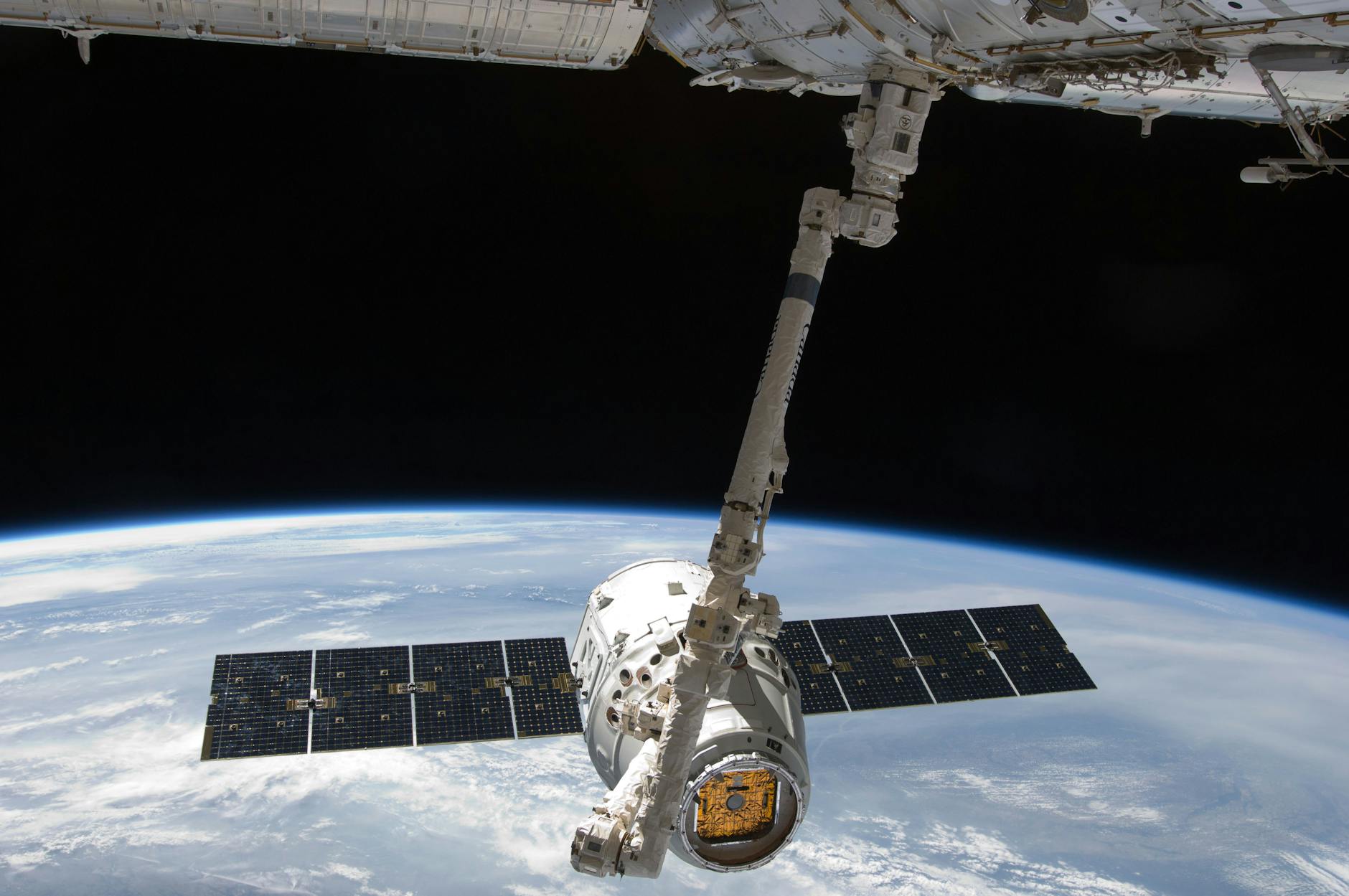
U.S. space assets encompass a wide variety of platforms, each designed for specific functions. These range from small, single-purpose CubeSats to large, complex observatories. The design of a platform is dictated by its mission requirements, including its orbit, instrumentation, power needs, and intended lifespan.

Satellite above clouds

Communications Satellites

These platforms are the backbone of global telecommunications. They relay telephone, television, and internet data across continents. Many U.S. commercial and governmental communications satellites operate in GEO to provide wide-area coverage from a fixed position, while newer constellations in LEO aim to deliver low-latency broadband internet globally.

Rocket launching

Earth Observation Satellites

These satellites continuously monitor the Earth's land, oceans, and atmosphere. U.S. systems like the Landsat series (a joint NASA/USGS project) provide invaluable data for agriculture, climate change research, and disaster management. They typically operate in sun-synchronous LEO, allowing them to image the same spot on Earth at the same time of day.

A deep space telescope

Scientific and Astronomical Observatories

Space-based telescopes like the Hubble and James Webb Space Telescopes provide views of the universe unobscured by Earth's atmosphere. These platforms have revolutionized astronomy. Other scientific satellites study the Sun, the Earth's magnetosphere, and other planets in our solar system, expanding human knowledge of the cosmos.

Hosted Payloads and Platform Integration

Not every mission requires a dedicated satellite. The concept of a "hosted payload" involves placing an instrument or sensor package on a commercial or governmental satellite that has excess capacity. This is an efficient way to get instrumentation into orbit, as it shares the cost of the launch and the satellite bus (the main body of the spacecraft that provides power, propulsion, and telemetry).

The integration of these payloads requires careful engineering to ensure they do not interfere with the host satellite's primary mission. The U.S. government and commercial entities increasingly use this model to deploy specialized sensors for weather monitoring, communications experiments, and Earth observation in a timely manner. This approach enhances the flexibility and responsiveness of U.S. space infrastructure.

Technicians working on a satellite component in a clean room